

When people talk about living with Barrett’s oesophagus the focus is on treatment, endoscopies and long-term monitoring. But for many people, the psychological and emotional impact of living with a precancerous condition can be as challenging as the physical symptoms.
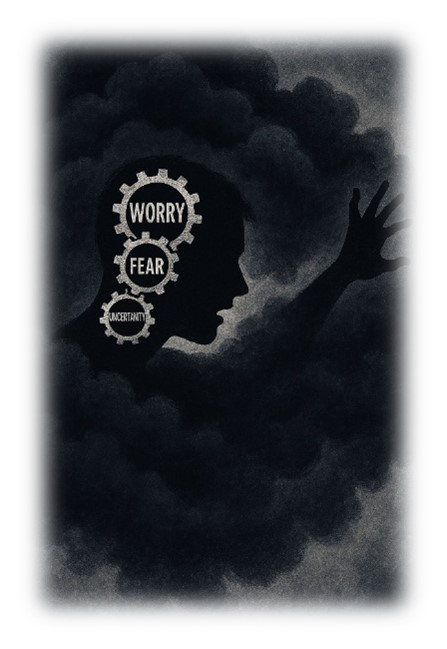
A diagnosis often involves feelings of fear, anxiety and uncertainty, especially around cancer risk and ongoing surveillance. These worries, especially when combined with persistent reflux symptoms, can negatively affect health-related quality of life (HRQoL).
Stress, Anxiety and the Gut.
Stress plays a major role in gastrointestinal health, triggering a noticeable symptom increase even when reflux is under control. Acute and prolonged stress can disrupt digestion, increase acid production and heighten oesophageal sensitivity, worsening an underlying gastrointestinal reflux disease (GORD). Over time these symptoms worsen GORD, which may contribute to the development or progression of Barrett’s oesophagus. Patients recognize the cycle too well – stress worsens symptoms and those symptoms in turn increase stress.
Patient Experiences
People living with Barrett’s oesophagus can experience difficult thoughts and feelings in their everyday lives, such as:
- Persistent anxiety about progressing to cancer (cancerphobia)
- Uncertainty about what the future holds
- “Scanxiety”- before surveillance appointments
- Concerns about treatment decisions
- Feeling unable to articulate their fears and feelings to loved ones
- A sense that loved ones and peers don’t understand
- Feelings of isolation, social and emotional withdrawal
Emotional pressures can intensify physical symptoms, triggering a cycle of distress and symptom exacerbations that disrupt household routines, finances and relationships.
Quality of Life
Living with persistent feelings of uncertainty, reflux, and fear can reduce HRQoL. How well someone copes often depends on factors such as –
- How they understand their condition
- Reflux Management.
- Trust in their care management.
- How effective their social and emotional support network is.
High levels of anxiety and depression are experienced by some individuals, while others adjust easily, emphasizing the need for patient-centric care.
Psychological Support – An Undervalued Tool
Despite the potential emotional burden, psychological support is not routinely built into Barrett’s oesophagus care pathways; however, some evidence-based therapies can help;
- Cognitive Behavioural Therapy (CBT) may reduce catastrophic thoughts and improve cancer-related worry.
- Mindfulness-based approaches can support stress reduction and improve emotional regulation.
Asking for psychological help is appropriate and beneficial for emotional well-being.
What You Can Do to Support Your Well-Being
Although living with Barrett’s oesophagus can feel overwhelming, there are some practical steps that can improve emotional well-being and improve HRQoL:
- Looking after health by attending checkups.
- Discussing changes in your condition with clinicians.
- Taking medication consistently.
- Identify and avoid reflux triggers (caffeine and alcohol).
- Create regular routines.
- Introduce gentle movements and physical activity into daily routines.
- Prioritise effective sleep strategies
Interacting with support groups, charities and online communities, can help “normalise” emotions and reduce isolation.
Remember, emotions such as frustration, fear, anger and sadness are normal reactions.

Focus on What Can Be Controlled.
Small lifestyle adjustments can create meaningful improvements in both physical and physiological well-being. Stress reduction, diet, trigger avoidance, weight management, and medication adherence contribute to better physical and emotional outcomes. Knowing your health can help manage distorted perceptions of risk and build emotional and physical resilience.
Support Resources within the Island of Ireland
IE/GB: All-Ireland Cancer Research Network (AllCaN)
- An all-Ireland collaboration researching the well-being of individuals living with Barrett’s oesophagus.
- Understanding the contributing factors that impact people living with Barrett’s oesophagus.
Website: What is the AllCaN Programme? – All-Ireland Cancer Network
IE – Oesophageal Cancer Fund (OCF) Ireland
OCF provides
- Patient information resources
- Emotional support for patients and their families
- Guidance for people diagnosed with Barrett’s oesophagus
Local GPs and gastroenterology teams can refer patients to counselling services, though individuals often need to request this support. Organizations such as Cancer Support NI and Action Cancer can provide valuable information and emotional assistance. Website: https://ocf.ie.patient-supports.

Living with Barrett’s Oesophagus
The Barrett’s oesophagus journey can be a lonely, emotionally heavy experience, especially when others do not understand the condition. However, research is evolving; charity-funded research programmes such as AllCaN Oesophageal are investing in improving psychological and emotional well-being.
Mental health is just as important as physical health, asking for support can improve an individual’s coping ability and enhance their quality of life.
(Images courtesy of Microsoft 365)
Add a Comment